
Planting
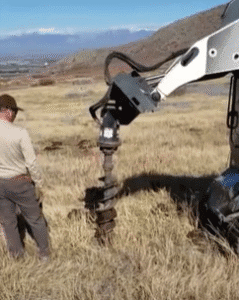
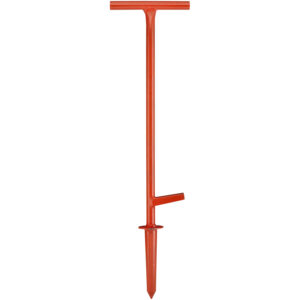
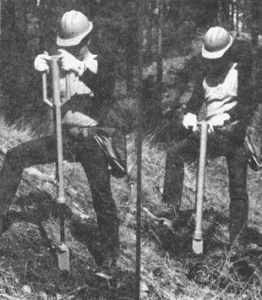
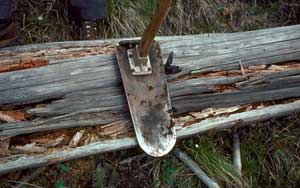
Trees, shrubs, forbs, and grasses can be established through transplanting bareroot or container-grown stock, wildings, and stem cuttings. There are many tools used for eliminating competing vegetation and handplanting bareroot or container stock. Successful transplanting (survival and growth) requires that the following general rules be followed: 1) never allow roots or stem ends to dry, 2) keep plants cool—do not allow them to overheat prior to planting, 3) plant during cool periods with adequate soil moisture, 4) compact soil around the roots at planting time, and 5) eliminate plant competition around the transplant.
Transplanting during the most desirable period is essential. This is generally when chances of frost heaving have passed, soil moisture is high, temperatures are low, and the chance of rainfall is high. Proper handling of plant materials is critical. Roots of bareroot stock can dry out within 30 seconds of air exposure, particularly with wind or high temperatures. Roots must be kept damp, and, if possible, cool. Roots of container stock tolerate longer periods of exposure than bareroot stock but will also dry if not protected. Temperatures in plastic bags and cardboard boxes can be damaging or lethal, especially in direct sunlight.
Proper planting ensures that roots are placed vertical, with no “J” or “S” root configurations. Once placed, soil should be firmly compacted around the roots, eliminating air pockets. Air pockets and loose soil can result in poor anchoring, dry roots, little or no uptake of water and nutrients, and mortality. An important factor contributing to success is selecting plants adapted to the planting site. The success of shrubs and forbs transplanted into grass stands can be increased when planting is done on spots or in strips that have been herbicide-treated or where other vegetation has been removed to reduce competition during establishment.
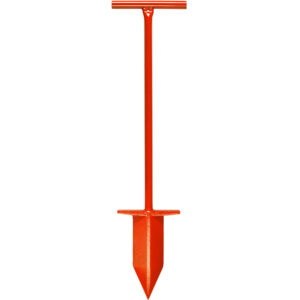
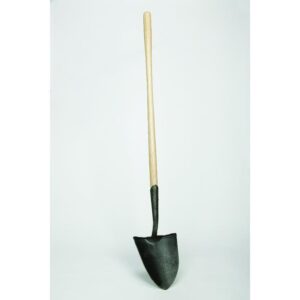
Hand Planting
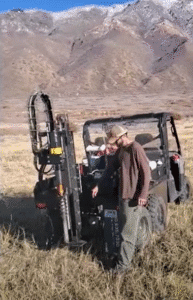
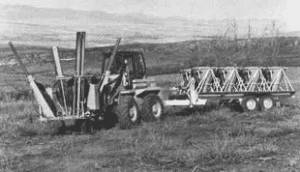
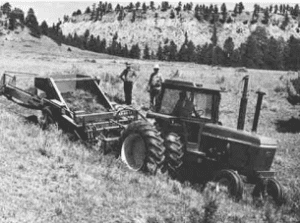
Mechanical Planting
Nursery Stock and Care
References/Additional Information
Reforestation, Nurseries, and Genetic Resources (RNGR). n.d. Proper tree handling and planting techniques (in English and Spanish). USDA Forest Service and Southern Regional Extension Forestry. Available: https://rngr.net/resources/events/stpv